The earliest and boldest use of the Moog in improvisational music was the work of Richard Teitelbaum (b. 1939), an American composer and co-founder of the free improvisation ensemble Musica Elettronica Viva (MEV).
This is the first of a series of blogs on early live uses of the Moog Modular. Before Keith Emerson took his mammoth “Monster Moog” on tour in 1971an astonishing feat by any measurethere were several forays into live performances by a number of Moog users. Their experience spanned music genres, from classical, experimental, art rock, and jazz. All before the year 1970.
While most musicians were finding ways to adapt the Moog Modular to popular music–using the keyboard controller to play the instrument like an organ– others found satisfaction in creating “beds” and continuously changing background textures of sounds.
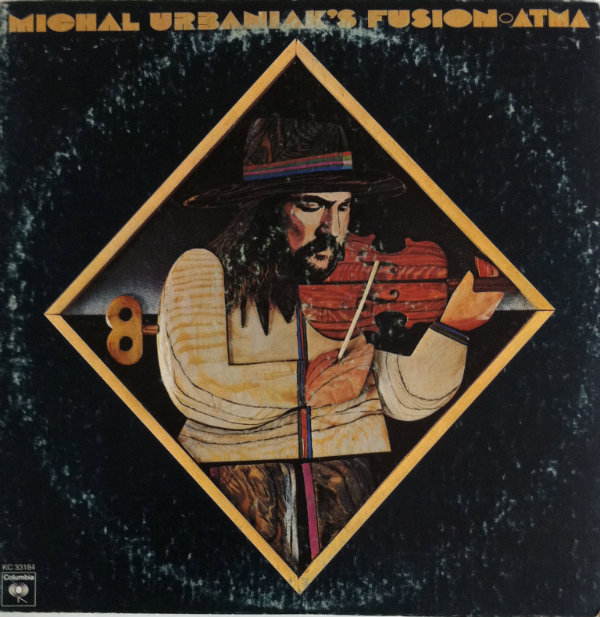
This month, I want to highlight several outstanding benchmarks in recorded Minimoog performances, some well-known and others largely overlooked in the annals of popular music history.
Dick Hyman was already on his way to becoming a musical legend by 1968 and it had nothing to do with the Moog Modular Synthesizer. Having established himself as a jazz and studio keyboardist, arranger, and composer, he found himself thrust into yet another rolethat of pioneering electronic musician.